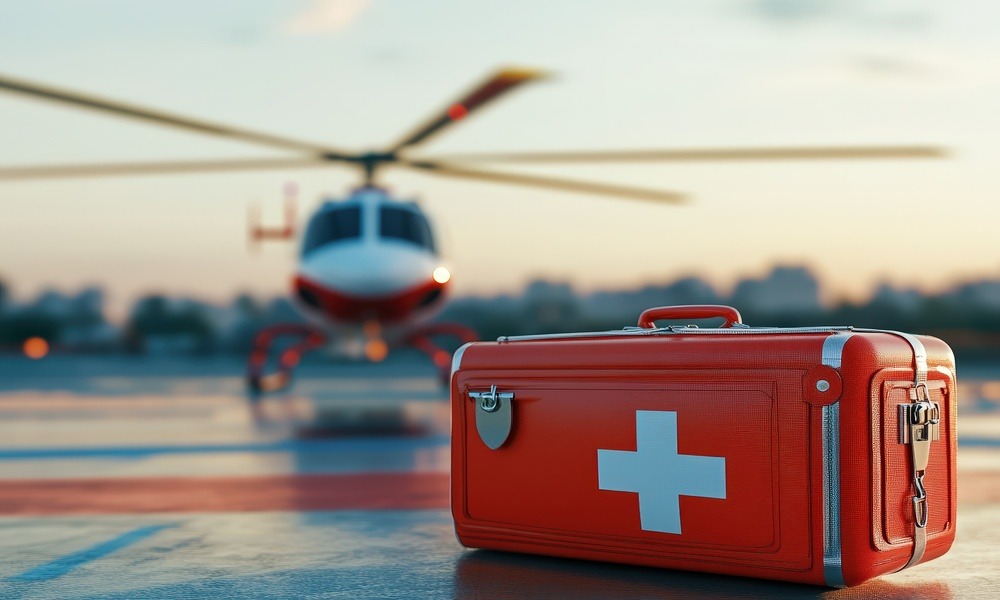
Modern medicine performs miracles daily. Yet life-saving care cannot help if out of reach. Rural areas and remote locations often lack doctors and hospitals. So serious injuries or illness become scary situations. Expanding medical access to underserved communities allows more people to receive quality healthcare. Mobile clinics, telehealth links and even air medical transports now ferry medical aid crossing isolation barriers. According to the people at LifePort, purposeful innovations dismantle distance roadblocks, so vital treatment finds those needing it most.
Table of Contents
Bringing Healthcare Closer Through Mobile Clinics
Specialized vehicles take medical services directly to distant towns and settlements. Custom trucks or RVs contain examination rooms, basic imaging equipment and lab work stations. Staff travel offering checkups, infectious disease screening, pediatric, women’s health and more. Some mobile clinics focus on specific services, like dental care or mental health. Having routine care options arrive locally allows rural residents to receive needed healthcare attention more readily boosting outcomes.
Streaming Medical Care Through Live Video Links
Advancing telehealth solutions connect country dwellers to essential medical consultations and evaluations. High definition video systems and digital diagnostic tools beam images and vital signs to practitioners. Nurses or technicians set up and operate equipment guided remotely. Patients see and talk with doctors hundreds of miles away, discussing issues or getting assessments. Recommendations and even prescriptions follow. It brings quality care into homes regardless of road infrastructure or transport availability. Rural medical centers additionally utilize telerobotics, allowing remote surgeons to conduct operations steered from consoles miles away.
Rapid Transport for Those With Critical Needs
For major trauma, complex diagnoses or specialized treatments, medical air transport provides vital links to definitive care. Air medical crews use helicopters and planes designed for stabilize-and-fly capabilities. Leading-edge onboard equipment allows teams to perform medical interventions mid-transit. Flight staff also communicate directly with trauma centers readying specialized surgical and ER teams before landing. For time-sensitive cases, air ambulances eliminate distance induced delays, bringing urgent interventions even in extreme isolation.
Delivery Drones: Bringing Supplies Over Obstacles
Small robotic drones now ferry vital medical goods to unreachable locations as well. Custom-designed aerial vehicles carry antibiotic regimens, vaccines, sterile dressings and emergency medical kits across flooded zones or over mountainous terrain impassible to vehicles. Preloaded routes and GPS integration allow precision aerial deliveries deposited right at remote medical outposts. Some prototypes even feature vacuum tubes for sending time-sensitive blood vials and test samples to distant labs for rapid analysis benefiting diagnosis and treatment guidance.
Empowering Local Care Through Training and Provisioning
Access solutions also bolster rural healthcare capacities and competencies. Outreach trainings allow local clinics to manage more conditions independently through skills upgrading. Streamlined supply chain assistance ensures smaller facilities consistently stock essential medications and equipment. Some groups even support building and infrastructure improvements by converting struggling centers into models of community care. It’s about comprehensive, ongoing support for health systems, not just temporary fixes. Partnership approaches cultivate lasting local capabilities while meeting immediate needs.
Conclusion
Modern healthcare pushes past prior limits as innovation dissolves distance barriers. Telehealth links plus mobile clinics epitomize optimized access with advanced technologies transporting care directly to patients. Air and ground medical transports urgent needs to higher levels swiftly. And collaborative efforts shore up community health provisions for the long term. With so many problems in the wider world, expanding medical care to isolated groups brings solutions and hope. It shows how determined human innovation builds bridges over forbidding gaps, be they digital divides or miles of rough terrain. Such efforts remind that acts of caring know no bounds when purpose prevails. In medical access, as in healing itself, where there is a need a way can be found.