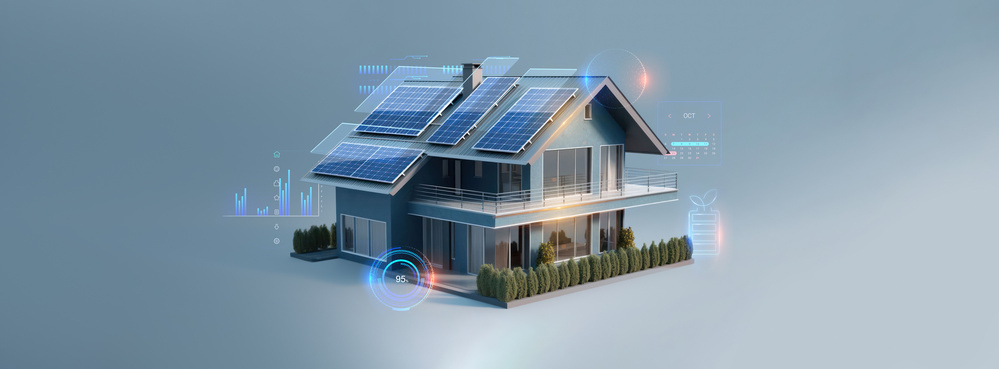
Millions of American consumers now enjoy smart home technology to some degree. From smart speakers to artificially intelligent thermostats, it is not hard to find devices that make modern homes more efficient and convenient. But there are legitimate concerns.
Nothing in this world is perfect or completely secure. Not even the most expensive smart home system from the world’s leading brand can be relied on 100% to always work as it should while simultaneously protecting the consumer from data leaks, hacks, and so forth.
In the end, consumers need to weigh the risks and benefits of home automation in order to decide whether or not to engage with it. With that in mind, let us discuss five legitimate concerns that could impact a consumer’s decisions about home automation:
Table of Contents
1. Data Collection
Smart devices of all types collect and store unimaginable amounts of data. That much we know for sure. Some of the data is innocuous. On the other hand, some of the data is rather sensitive. Consumers have little to no control about what data is collected, how it is stored, and how smart home providers ultimately use it.
In addition to gathering and storing data, home automation makes that data accessible to human beings. That may be the biggest concern of all. How many Google and Amazon employees have access to mountains of user data collected and stored via home automation? How many would use that data for nefarious reasons?
2. Behavioral Profiling
Modern smart home devices are being built with deep learning and artificial intelligence capabilities. So not only are they collecting data, but they are also learning consumer habits. Such advanced capabilities are ostensibly built in to improve device performance. But manufacturers are also using behavioral profiling to better monetize their customers.
Behavioral profiling is a common tactic for online advertising. Behavioral profiles are so attractive to advertisers that they are willing to buy information from just about any company willing to collect and sell the data.
3. Cameras and Microphones
The next legitimate concern are microphones and cameras that are always on. Take your smart speaker. It is constantly listening for the activation word you speak before asking a question or issuing a command. That means its microphone is always active. But guess what? An active microphone can always capture audio data and send it somewhere else.
Always active cameras are even more frightening. They can collect video data and transmit it to servers located thousands of miles away. Complete strangers can access video feeds for whatever reason.
4. Third-Party Integration
Yet another concern is the potential for third-party integration. An easy example is integrating Vivint Smart Home devices with a Google Home smart speaker. You now have two providers working together to manage certain aspects of your smart home system.
Every third-party integration introduces another player to the game. Every player has access to sensitive data that can be used for either good or bad. Unfortunately, not every party involved in a home automation deployment has the same privacy policies. Can you say privacy invasion?
5. Device Tracking
All smart home devices can be tracked one way or another. As more devices are introduced to a home, more opportunities for cross tracking exist. This could lead to further privacy invasions as your many devices track you while communicating with one another.
We expect that smart home providers will do right by us as consumers. Whether or not they do is debatable. The fact remains that there are legitimate concerns with the smart home ecosystem. Every consumer needs to deal with those concerns himself.
For more interesting posts visit my blog.