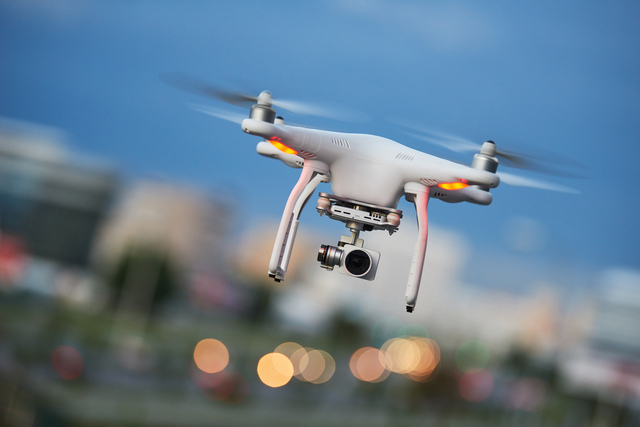
Drones are incredible tools that allow people to capture breathtaking aerial photos and videos. If drone photography is something that interests you, you’re in for an exciting adventure. Here’s what you need to know to get started.
Table of Contents
The Basics of Drones
Drones are small, unmanned aircraft controlled by a remote. The cool thing about camera drones is that they can fly and hover so you can get shots from angles that just aren’t possible any other way.
Drones intended for photography and videography typically have a built-in gimbal to keep the camera steady and level while the drone moves around. They often have “follow” modes to smoothly track a subject automatically, too.
Know the Laws
Before taking to the skies, you must understand the laws around drone operation. In the United States, the Federal Aviation Administration (FAA) requires drone pilots to get certified if flying for anything other than just fun.
Getting your drone pilot certification shows you know important safety rules like:
- Never flying near other aircraft.
- Keeping your drone within sight.
- Only operating during daylight hours.
- Not going over 400 feet high.
Breaking these rules can lead to heavy fines, so get properly licensed.
Choosing a Drone
With so many drones on the market, choosing one for photography might initially feel overwhelming. The general advice is to buy the most capable drone you can reasonably afford.
Two big factors that impact image quality are camera sensor size and gimbal stabilization. Drones with 1-inch sensors and 3-axis gimbals give you the crispest, most blur-free shots.
You’ll also want to consider flight time, range, speed, and intelligent tracking modes based on your shooting needs. Foldable, portable designs are great for travel photography.
Learning to Fly
Flying a photography drone takes practice, so don’t get discouraged. Start simple by just getting a feel for hovering the drone and using the camera. Many drones have beginner modes to make the basics easier.
Upon mastering hovering and basic camera use, move on to practicing smooth camera motion for cinematic shots. The experts at ProTrain advise that you should always take care to fly carefully and consider taking a drone training course if you really struggle.
Photography Tips
Gorgeous lighting and unique perspectives make drone photography so magical. The golden hour around sunrise and sunset are prime times to fly, as that soft, angular light is incredibly flattering.
Don’t just shoot straight down; get creative by angling your shots from different altitudes and perspectives. Having your subject off-center can lead to stunning dramatic compositions.
Experiment with long exposure settings for creative effects like smooth clouds or light trails. And pay close attention to your settings to ensure proper focus and exposure.
Editing and Sharing
Like any great photography, much of the final magic happens in editing. Programs like Adobe Lightroom allow you to really polish your aerial shots through color grading, detail enhancements, and special effect filters.
Once your drone photos and videos look their best, share them with the world. Whether uploading to social media or your own professional portfolio site, beautiful aerial imagery is sure to grab attention.
Conclusion
Drone photography opens up an entirely new perspective to explore with your camera. While there is definitely a learning curve, the magical aerial views you can capture make it an incredibly rewarding pursuit.
Once you’ve mastered the basics of operating your drone, the real fun begins. Experiment with unique angles, dramatic lighting, and creative in-camera techniques. Then, polish your aerial masterpieces to perfection using editing software. With some training, the right gear, and a healthy respect for best practices, the sky is literally the limit for the amazing shots you can capture with your drone’s eye view.